The Role of Transport in Everyday Life

Transport plays a vital part in how people live, work, and connect with the world around them. From daily commutes to long distance travel, it shapes routines and influences opportunities. A reliable transport system makes it possible for individuals to reach their goals, maintain relationships, and enjoy a wide range of experiences. Without it, modern life would feel limited and disconnected.

Supporting Daily Activities

Most people depend on transport to complete everyday tasks. Going to work, attending school, visiting family, or shopping for essentials all require some form of movement. When these systems run smoothly, daily life becomes more efficient and less stressful. Being able to reach destinations on time allows people to plan their schedules and make the most of each day.

Public and private options give people flexibility. Whether using buses, trains, bicycles, or personal vehicles, individuals can choose what suits their needs and lifestyle. This variety helps meet the demands of different communities and environments.

Connecting Communities

One of the most important roles of transport is bringing people together. Roads, railways, and pathways link cities, towns, and neighborhoods. These connections allow cultures, ideas, and goods to move freely. When people can travel easily, they are more likely to explore new places and build relationships beyond their immediate surroundings.

This movement strengthens social bonds and supports understanding between different groups. It also makes it easier for families and friends to stay connected even when they live far apart.

Driving Economic Growth

Strong transport systems support economic development. Businesses rely on them to deliver products, reach customers, and manage operations. Workers depend on them to get to their jobs. When goods and people can move efficiently, industries grow and create more opportunities.

In many regions, improved transport has led to increased trade and tourism. Visitors bring income and new ideas, which benefit local communities. These systems help build a stable and thriving economy.

Improving Access to Services

Access to healthcare, education, and other essential services often depends on transport. Reliable travel options allow people to reach hospitals, schools, and community centers when they need them. This access improves quality of life and supports equal opportunities.

For those living in remote or rural areas, good connections are especially important. They ensure that everyone can participate in society and receive the support they need.

Environmental Considerations

Modern society is also becoming more aware of the environmental impact of transport. Sustainable options such as walking, cycling, and public transit help reduce pollution and conserve resources. Many cities are investing in cleaner technologies and better infrastructure to create healthier environments.

By choosing more eco friendly ways to travel, people can contribute to a cleaner and more balanced world. These choices support both personal well being and the planet.

Enhancing Personal Freedom

Being able to move freely gives people a sense of independence. Transport allows individuals to pursue education, careers, and hobbies that might otherwise be out of reach. This freedom encourages personal growth and exploration.

Travel also enriches life by exposing people to new cultures and experiences. These journeys build understanding and inspire creativity.

A Foundation of Modern Life

In everyday life, transport is more than just a way to get from one place to another. It is a foundation that supports connection, opportunity, and progress. By enabling movement, it opens doors to learning, work, and relationships.


Why Planning Is the Key to a Balanced Life

Planning plays a vital role in creating stability and peace in everyday living. When people take time to organize their goals, responsibilities, and personal needs, they build a structure that supports both productivity and well being. A thoughtful approach to planning allows individuals to move through life with greater confidence and less stress because they know where they are headed and how to get there.

Creating Order in a Busy World

Modern life is filled with many demands that compete for attention. Work, family, health, and personal interests all require time and energy. Without a clear plan, it is easy to feel overwhelmed. Planning helps sort these priorities and place them into a manageable order. By breaking tasks into smaller steps, large goals become easier to handle. This sense of order brings calm and makes daily life feel more balanced.

When people know what needs to be done and when, they are less likely to rush or forget important tasks. This leads to better use of time and a smoother flow throughout the day.

Reducing Stress and Anxiety

Uncertainty often creates stress. Not knowing what comes next or how to handle responsibilities can make the mind feel restless. Planning reduces this pressure by providing a clear path forward. When tasks and goals are written down, they feel more controlled and less intimidating.

This clarity allows people to focus on the present instead of worrying about the future. With a plan in place, it becomes easier to relax and enjoy free time, knowing that important duties are being handled.

Supporting Personal and Professional Growth

A balanced life includes both personal satisfaction and career progress. Planning helps support growth in both areas. By setting goals and timelines, individuals can track their progress and stay motivated. Whether it is learning a new skill, improving health, or advancing at work, having a plan keeps efforts focused.

This structure also makes it easier to adjust when needed. If something does not go as expected, the plan can be updated. This flexibility helps people stay on track without feeling discouraged.

Making Time for What Matters

One of the greatest benefits of planning is the ability to make room for important things. Family, friends, hobbies, and rest all need attention. Without a plan, these areas are often pushed aside by urgent tasks. By scheduling time for relationships and self care, people protect their emotional well being.

This balance between work and personal life leads to greater happiness. When people feel connected and relaxed, they perform better in all areas of life.

Encouraging Better Decisions

Planning encourages thoughtful choices. When people take time to think ahead, they consider the consequences of their actions. This leads to wiser decisions about money, health, and time. Instead of acting on impulse, they can choose what aligns with their goals and values.

Over time, these good decisions build a stable and fulfilling life. Small planned actions add up to big positive changes.

Building Confidence and Control

Knowing what lies ahead creates a sense of control. This confidence allows people to face challenges with a steady mind. When obstacles appear, a plan provides guidance on how to respond. This reduces fear and increases resilience.

Feeling prepared also boosts self belief. People trust their ability to handle what comes their way, which supports emotional strength and personal growth.

A Path to Long Term Balance

A balanced life is not about doing everything at once. It is about making steady progress while caring for well being. Planning supports this balance by helping people manage their energy and time wisely. By setting realistic goals and allowing space for rest, individuals avoid burnout and maintain long term happiness.

The Spirit of Adventure in Everyday Life

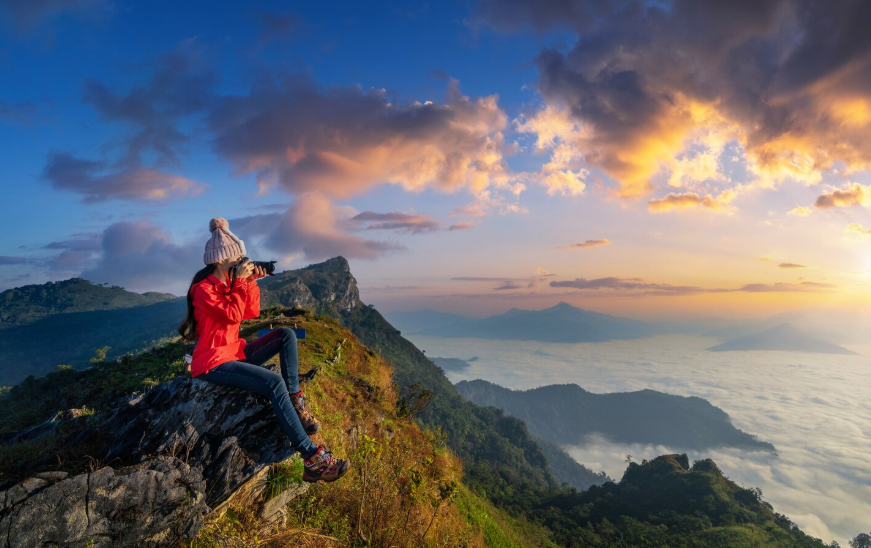
Adventure is not only about distant places or extreme activities. It is also found in the small choices people make each day when they step outside their comfort zone and try something new. In a world that often feels predictable, embracing adventure brings excitement, growth, and a deeper understanding of life. Whether through travel, learning, or personal challenges, this spirit helps people feel more alive and connected to their surroundings.

Discovering New Possibilities

Every new experience opens the door to fresh perspectives. When people explore unfamiliar places or ideas, they gain knowledge that cannot be learned from books alone. These moments build curiosity and encourage open mindedness. Even simple changes like taking a different route to work or trying a new hobby can create a sense of discovery.

This willingness to explore helps individuals become more adaptable. Life is full of surprises, and those who welcome change are often better prepared to handle it. By embracing the unknown, people develop problem solving skills and learn to trust their instincts.

Building Confidence Through Experience

Trying something new often feels challenging at first, but overcoming that challenge brings confidence. Each success, no matter how small, proves that growth is possible. This confidence carries over into other areas of life, making it easier to face future obstacles.

An adventure does not have to be risky to be meaningful. It could be speaking in public, starting a new project, or meeting new people. These experiences push personal limits and help individuals realize their potential. With every step taken, fear becomes less powerful and self belief grows stronger.

Strengthening Emotional Well Being

New experiences bring joy and excitement, which are important for emotional health. When people break away from routine, they often feel refreshed and inspired. This change of pace reduces stress and helps the mind reset.

Spending time in new environments also encourages mindfulness. When surrounded by unfamiliar sights and sounds, people become more present. This awareness allows them to appreciate the moment and let go of worries about the past or future.

Creating Meaningful Memories

Some of the most treasured memories come from moments of exploration and discovery. These experiences stay in the heart long after they are over. Whether it is a trip to a new city or a personal challenge overcome, these memories shape how people view themselves and the world.

Sharing these moments with others deepens relationships. Stories of travel, learning, and growth bring people closer and create bonds that last. Through shared experiences, connections become richer and more meaningful.

Learning About the World and Self

Exploration teaches more than facts. It reveals different ways of living, thinking, and solving problems. Meeting people from different backgrounds builds empathy and understanding. It reminds everyone that there is more than one way to see the world.

At the same time, adventure teaches about the self. Facing challenges reveals strengths and weaknesses. It shows what truly matters and what brings happiness. This self knowledge guides future choices and leads to a more authentic life.

Inspiring Creativity and Curiosity

New experiences spark creativity. Seeing different landscapes, cultures, or ideas gives the mind fresh material to work with. This inspiration can lead to new projects, goals, or ways of thinking.

Curiosity grows when people step into the unknown. Questions arise, and the desire to learn increases. This curiosity keeps the mind active and engaged, which is essential for personal and professional growth.

A Lifelong Journey

The spirit of adventure does not fade with age. It simply changes form. What once meant physical exploration may later become intellectual or emotional discovery. Learning a new skill, building new relationships, or pursuing a passion all keep life interesting and fulfilling.

By staying open to new experiences, people keep growing and evolving. This ongoing journey brings purpose and joy, making life richer at every stage.

In everyday life, adventure is a choice. It is the decision to explore, to learn, and to embrace change. By welcoming the unknown, people find not only excitement but also deeper confidence, connection, and meaning.

The Joy of Trekking Through Nature

A Deep Connection With the Outdoors

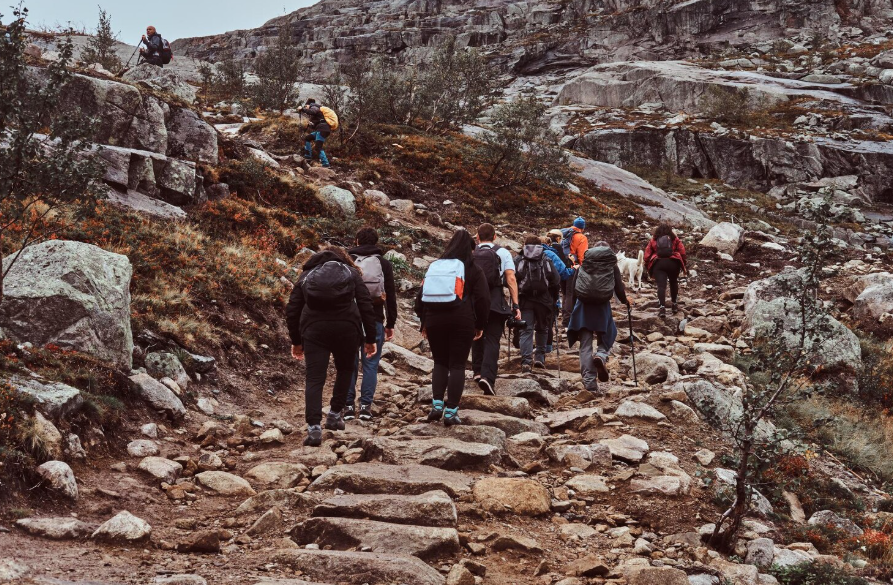
Trekking allows people to move through natural landscapes at a slow and meaningful pace. Walking through forests, hills, and open valleys gives time to notice small details like the sound of leaves, the shape of clouds, and the rhythm of footsteps on the ground. This connection to nature creates a feeling of calm and appreciation that is difficult to find in busy city life. Trekking brings a sense of peace that refreshes both the mind and the body.

Physical Strength and Endurance

Spending hours on a trail builds strength in the legs, core, and heart. Trekking challenges the body in a natural way by using different muscles to climb, balance, and walk over uneven ground. This kind of movement improves stamina and overall fitness without feeling like a strict workout. Over time, people notice they feel more energetic and capable in their daily activities.

Mental Clarity and Focus

Walking through quiet natural spaces helps clear the mind. Without constant noise and digital distractions, thoughts become more organized and stress begins to fade. Many people find that trekking allows them to think more clearly and feel more relaxed. The steady pace of walking creates a rhythm that supports focus and inner calm, making it easier to reflect and recharge.

A Break From Modern Stress

Modern life often involves tight schedules and endless responsibilities. Trekking offers a chance to step away from this pressure. Being surrounded by nature encourages a slower pace and a more mindful way of being. This break helps reduce anxiety and creates a sense of balance that lasts even after returning to daily routines.

Discovering Natural Beauty

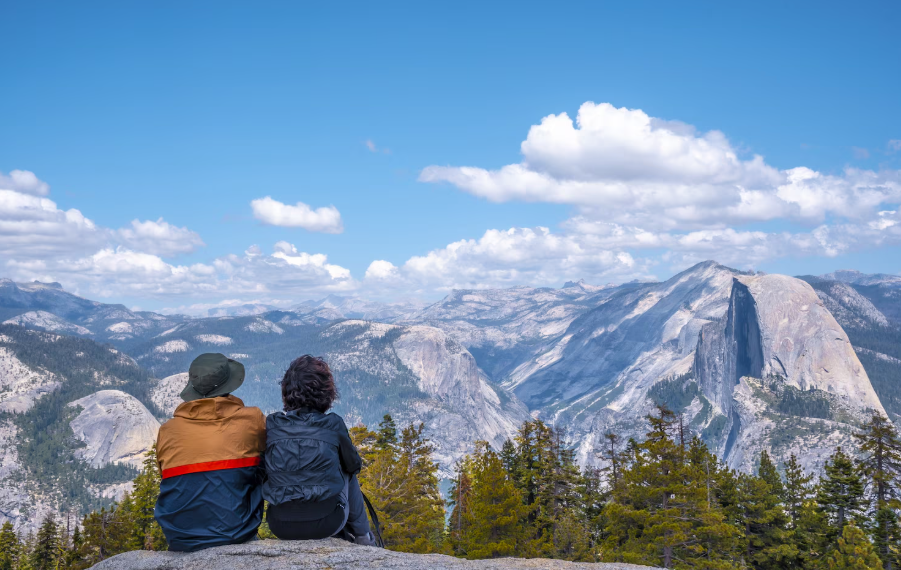
One of the greatest joys of trekking is seeing beautiful landscapes that are not always accessible by vehicles. Trails lead to hidden viewpoints, peaceful streams, and open fields that feel untouched and special. These sights inspire wonder and remind people of the natural beauty that exists beyond crowded places.

Building Confidence Through Challenge

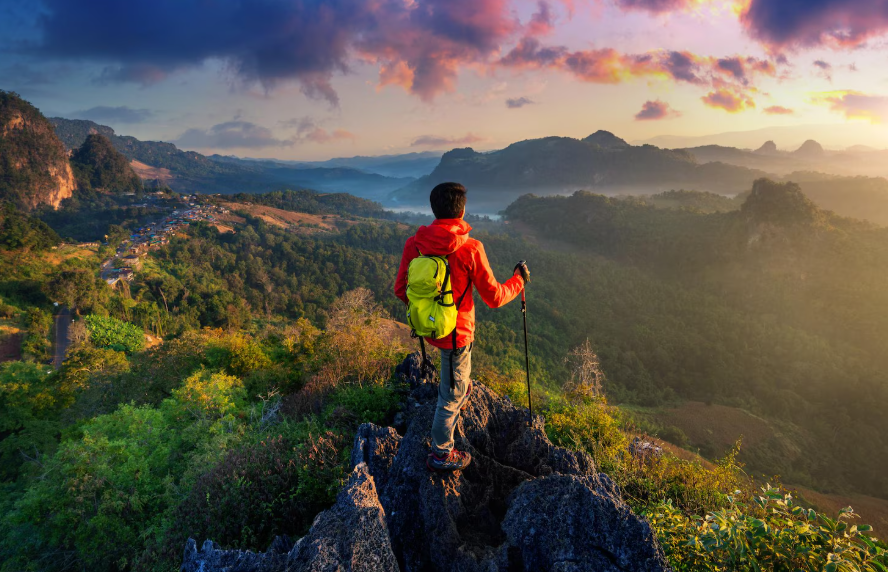
Every trail presents its own challenges, from steep climbs to long distances. Overcoming these obstacles builds confidence and determination. Each step forward is a reminder of personal strength and resilience. Completing a trek brings a strong sense of achievement that stays with a person long after the journey is over.

Connecting With Others

Trekking is often shared with friends, family, or fellow explorers. Walking together creates opportunities for conversation and teamwork. These shared experiences build strong bonds and create memories that last for years. Even meeting new people on a trail can lead to meaningful connections based on a shared love for nature.

A Lifelong Source of Joy

Trekking is an activity that can be enjoyed at many stages of life. With different levels of difficulty available, everyone can find a trail that suits them. This flexibility makes it a lasting source of happiness and health. As people continue to explore, they discover new places and new sides of themselves.

A Meaningful Way to Live

Spending time on the trail encourages appreciation for the world and a simpler way of living. Trekking reminds people to value experiences, fresh air, and natural beauty. Through every journey, it brings joy, balance, and a deeper connection to life.

How Travel Stories Inspire People to Explore

Travel Stories have a special way of awakening curiosity and imagination. When people hear about distant places, unexpected encounters, and unforgettable journeys, they begin to picture themselves in those moments. These stories go beyond simple descriptions of locations. They capture emotions, challenges, and discoveries that make others feel connected to the experience. Through storytelling, travel becomes something everyone can share, even if they have never left home.

Opening the Door to New Worlds

Listening to or reading about different journeys allows people to see the world through another person’s eyes. A story about a quiet village, a busy market, or a peaceful mountain path creates vivid images in the mind. These images help break down fear of the unknown and replace it with excitement. When people realize that others have explored these places and returned with positive memories, it makes the idea of travel feel more possible and inviting.

Stories also reveal the diversity of cultures and landscapes. They show how people live, what they value, and how they welcome visitors. This knowledge builds understanding and respect, which are important for anyone thinking about exploring beyond familiar surroundings.

Creating Emotional Connections

Travel Stories do more than share facts. They carry feelings of joy, surprise, and sometimes challenge. Hearing about someone’s first time seeing the ocean or their struggle to communicate in a foreign language makes the experience feel real. These emotional elements help listeners and readers relate to the traveler, even if their own lives are very different.

When people feel emotionally connected to a story, it stays with them. It becomes a source of inspiration and motivation, encouraging them to seek their own meaningful experiences.

Building Confidence to Try Something New

Many people hesitate to travel because they fear uncertainty. Stories from others help reduce this fear. They show that challenges can be overcome and that even mistakes can become part of a memorable adventure. Learning how someone navigated a difficult situation or found kindness in an unexpected place builds confidence.

This reassurance is powerful. It helps people believe that they too can handle the unknown. With this belief, they become more willing to step out of their comfort zone and explore.

Encouraging Curiosity and Learning

Every journey teaches something new, and stories share those lessons. They might reveal interesting traditions, unique foods, or surprising customs. These details spark curiosity and a desire to learn more. People begin to ask questions and seek out information about places they have never seen.

This curiosity often leads to action. A story about a beautiful city or a peaceful countryside can inspire someone to plan their own visit. In this way, storytelling becomes the first step in many adventures.

Connecting People Across Cultures

Travel Stories help bridge gaps between different parts of the world. When people share their experiences, they also share their perspectives. This exchange creates understanding and empathy. It shows that, despite differences in language or lifestyle, people everywhere share similar hopes, fears, and joys.

These connections make the world feel smaller and more friendly. They remind everyone that they are part of a larger human community.

Preserving Memories and Meaning

For travelers, telling their stories is a way to hold onto special moments. Sharing experiences helps preserve memories and gives them deeper meaning. For those listening, these stories become a window into another life, offering insight and inspiration.

Over time, a collection of Travel Stories creates a rich picture of the world. It shows how people move, grow, and learn through their journeys.

Inspiring the Next Adventure

In the end, stories have the power to turn dreams into plans. They light a spark in the imagination and encourage people to explore. Whether it is a tale of a faraway land or a simple weekend trip, each story has the potential to inspire someone to take their first step into the wider world.

Through shared experiences and heartfelt storytelling, travel becomes not just a personal journey but a source of inspiration for everyone.

How Travel Gear Makes Every Trip Easier

Travel becomes more enjoyable and stress free when people are well prepared. The right equipment helps travelers stay organized, comfortable, and ready for different situations. Whether someone is going on a short weekend trip or a long journey across countries, Travel Gear plays a key role in making the experience smooth and pleasant. Having the right items at hand reduces worry and allows people to focus on enjoying their adventure.

Organization and Convenience

One of the biggest challenges of traveling is keeping everything in order. Bags, pouches, and cases help separate clothing, documents, and personal items so nothing gets lost. When everything has a place, packing and unpacking become quicker and less frustrating. This level of organization saves time and makes it easier to find what is needed during a trip.

Smartly designed backpacks and suitcases also improve convenience. With compartments for electronics, toiletries, and shoes, travelers can move through airports, hotels, and public spaces with ease. This structure turns what could be a chaotic experience into a calm and efficient one.

Comfort on the Move

Long journeys can be tiring, especially when sitting for many hours. Supportive neck pillows, soft eye masks, and lightweight blankets help travelers rest better on planes, trains, or buses. Comfortable clothing and shoes also make a big difference when walking through cities or waiting in lines.

When travelers feel physically at ease, they have more energy to explore and enjoy their destination. Comfort allows them to stay active and positive throughout the journey, even during long days of sightseeing or travel.

Safety and Security

Keeping belongings safe is a top priority while traveling. Locks, hidden pockets, and secure bags protect important items like passports, money, and devices. These features provide peace of mind and reduce the risk of loss or theft.

Travel Gear that includes protective cases and weather resistant materials also keeps items safe from damage. Electronics, documents, and clothing stay dry and secure, no matter the conditions. This reliability helps travelers feel confident in unfamiliar places.

Adapting to Different Environments

Every destination brings its own challenges. From hot climates to cold mountains, the right equipment helps people adapt. Lightweight jackets, compact umbrellas, and sturdy footwear prepare travelers for changing weather and terrain.

Portable chargers and universal adapters ensure that devices stay powered and ready. These small but important tools keep people connected and informed wherever they go.

Saving Time and Energy

Efficient equipment reduces the amount of effort needed to manage a trip. Quick access pockets, rolling luggage, and foldable items make moving from one place to another easier. This efficiency saves energy and allows travelers to focus on experiences rather than logistics.

When everything works smoothly, there is less stress and more time to enjoy new sights, foods, and cultures.

Enhancing the Overall Experience

Being prepared creates a sense of confidence. When travelers know they have what they need, they feel more relaxed and open to new experiences. This positive mindset leads to better memories and a more fulfilling journey.

The right tools also encourage exploration. With comfortable shoes, a reliable bag, and useful accessories, people are more likely to walk further, try new activities, and discover hidden places.

A Smart Investment

Quality equipment lasts for many trips and provides ongoing value. Investing in durable and functional items saves money in the long run and improves every future journey. Over time, travelers learn what works best for them and build a collection that supports their unique needs.

In the end, Travel Gear is not just about carrying things. It is about creating a smoother, safer, and more enjoyable travel experience. With the right preparation, every trip becomes easier, more comfortable, and more memorable.

The Joy of Hiking in Nature

A Path to Peace and Clarity

Hiking offers a simple yet powerful way to reconnect with the natural world and with oneself. Walking through forests, hills, or open trails allows the mind to slow down and release the stress of daily life. The sounds of birds, the movement of leaves, and the rhythm of footsteps create a calming effect that helps people feel grounded. This peaceful environment provides clarity and encourages reflection, making hiking a valuable escape from busy routines.

Physical Benefits of Time on the Trail

Spending time on trails is an excellent way to stay active and support overall health. Hiking strengthens muscles, improves heart function, and increases stamina. It also helps maintain balance and coordination, especially when walking on uneven paths. Unlike indoor exercise, outdoor walking feels more natural and enjoyable, which makes it easier to stay consistent. Over time, regular hikes build physical strength while also boosting energy levels for everyday activities.

Mental and Emotional Well Being

Being surrounded by nature has a positive effect on mental health. Fresh air and open spaces reduce feelings of anxiety and tension. Many people find that walking through scenic landscapes lifts their mood and improves focus. Hiking encourages mindfulness because attention naturally shifts to the present moment. This awareness helps quiet negative thoughts and supports emotional balance, making it easier to handle challenges with a calm and steady mind.

A Chance to Disconnect and Recharge

Modern life often involves constant screens and notifications. Hiking offers a break from this digital noise. Without the pressure to check messages or updates, people can fully enjoy their surroundings. This disconnection allows the brain to rest and reset. After a day on the trail, many feel refreshed and more ready to return to their responsibilities with renewed motivation.

Exploring Natural Beauty

One of the greatest joys of hiking is the opportunity to see beautiful landscapes up close. Trails lead through forests, mountains, rivers, and fields, each offering unique sights and experiences. These views inspire awe and appreciation for the natural world. Spending time in such places reminds people of the simple wonders that exist beyond city life and busy schedules.

Building Confidence Through Challenge

Every trail presents its own challenges, from steep climbs to long distances. Overcoming these obstacles builds confidence and determination. Reaching the end of a path or a scenic viewpoint brings a sense of accomplishment that stays with a person long after the hike is over. These achievements show that effort and patience lead to rewarding results, both on the trail and in life.

Connecting With Others

Hiking is also a social activity that brings people together. Friends, families, and even strangers can share the experience of exploring nature. Walking side by side encourages conversation and strengthens bonds. Shared moments on the trail often become cherished memories that deepen relationships and create lasting connections.

A Lifelong Source of Joy

Hiking is an activity that can be enjoyed at any age. Trails range from easy paths to more challenging routes, allowing everyone to find a pace that suits them. This flexibility makes it a lifelong source of enjoyment and well being. As people continue to explore, they discover new places and new strengths within themselves.

Embracing the Outdoors

Spending time outdoors nurtures a sense of respect for the environment. Seeing natural landscapes firsthand encourages people to care for and protect them. This awareness helps build a stronger connection to the world around us.

Hiking offers a simple yet meaningful way to enjoy nature, improve health, and find inner peace. Through every step on the trail, it brings joy, balance, and a deeper appreciation for the beauty of life.

How Food Brings People Together

Food has always been more than just a source of nourishment. It is a powerful way people connect, share stories, and build relationships. Across cultures and generations, meals have served as moments where families, friends, and even strangers come together to enjoy not only flavors but also each other’s company. The simple act of eating together creates bonds that last far beyond the table.

A Universal Language

Every culture has its own traditions and dishes, yet the experience of sharing a meal is something everyone understands. Sitting down to eat with others creates a sense of comfort and belonging. Even when people do not speak the same language, sharing food allows them to connect through smiles, gestures, and enjoyment. This shared experience breaks down barriers and builds trust in a natural way.

From festive gatherings to quiet dinners, meals provide a setting where people feel welcome. These moments help create memories that strengthen relationships and encourage open communication.

Family and Tradition

In many homes, meals are the heart of family life. They are the time when everyone gathers after a busy day to talk, laugh, and support one another. Traditional recipes passed down through generations carry stories and values that keep families connected to their roots. Preparing and sharing these dishes becomes a way of honoring the past while enjoying the present.

Children learn about culture, respect, and togetherness through family meals. These routines create a sense of stability and love that shapes their emotional growth.

Celebrations and Community

Special occasions are often marked by shared meals. Weddings, holidays, and festivals all include food as a central element. These gatherings bring people together to celebrate milestones and express gratitude. Cooking and eating together strengthens community ties and creates a feeling of unity.

In neighborhoods and social groups, potlucks and shared dinners encourage people to connect beyond everyday interactions. These events turn acquaintances into friends and build a sense of belonging.

The Emotional Comfort of a Meal

A warm meal can offer comfort during difficult times. When someone is sad, tired, or stressed, being offered food feels like a gesture of care and understanding. This simple act shows empathy and support without needing words.

Sharing a meal in such moments helps people feel less alone. It creates a safe space where emotions can be expressed and understood. This emotional connection makes relationships deeper and more meaningful.

Exploring Cultures Through Taste

Trying dishes from different parts of the world allows people to learn about other cultures. Each recipe reflects history, climate, and tradition. By tasting new flavors, people gain insight into how others live and what they value.

This exploration builds curiosity and respect. It encourages open mindedness and appreciation for diversity. When people share their traditional dishes with others, they are also sharing a part of their identity.

Social Life and Everyday Moments

Meeting for coffee, lunch, or dinner is one of the most common ways people spend time together. These casual meals provide opportunities to catch up, celebrate small victories, and support one another. They turn ordinary days into meaningful moments.

In friendships and romantic relationships, sharing food often marks important stages. First dates, reunions, and celebrations all involve meals that create lasting memories.

A Bridge Between Generations

Food connects people of all ages. Grandparents, parents, and children can come together over a shared dish. This connection helps pass down traditions and stories, keeping family history alive.

Cooking together also teaches skills and values. Younger generations learn patience, creativity, and teamwork through the process of preparing a meal.

The Heart of Human Connection

At its core, food is about more than eating. It is about sharing time, care, and attention. When people come together around a table, they create a space where relationships grow and understanding deepens.

Through everyday meals and special occasions, food continues to bring people together in ways that are simple yet powerful. It reminds everyone that connection, kindness, and shared experiences are what truly make life rich and fulfilling.